


Diabetic Ketoacidosis Treatment
By Dr. William Johnson
When Sarah, a 24 year old university student living with Type 1 diabetes, arrived at the emergency department, she thought she had caught a stomach virus. She had been vomiting for hours, her mouth felt unusually dry, and every breath seemed harder than the last. What she did not realize was that her body was fighting a life threatening emergency known as diabetic ketoacidosis. Within minutes, doctors began intravenous fluids, insulin therapy, and close monitoring. Thanks to early intervention, Sarah made a full recovery.
Stories like Sarah’s remind us that diabetes is not only about checking blood sugar every day. Sometimes, the condition can take an unexpected and dangerous turn. Understanding diabetic ketoacidosis treatment can make the difference between a medical emergency that is successfully managed and one that leads to severe complications.
If you or a loved one lives with diabetes, knowing how diabetic ketoacidosis develops, recognizing the warning signs, and understanding modern treatment approaches can save lives. Throughout this guide, I will walk you through everything you need to know in simple language while explaining why prompt medical care is essential.
Understanding Diabetes and Blood Sugar Control here. is very important.
What Is Diabetic Ketoacidosis (DKA)?
Imagine your body as a car that depends on fuel to keep moving. Normally, glucose acts as that fuel, while insulin serves as the key that allows glucose to enter your cells. Without enough insulin, your body cannot use glucose effectively, even when plenty of it is circulating in your bloodstream.
Instead, your body begins breaking down fat for energy. While this may sound like a reasonable backup plan, it produces substances called ketones. When ketones accumulate faster than the body can remove them, they build up in the blood and make it dangerously acidic. This condition is called diabetic ketoacidosis, commonly referred to as DKA.
Although diabetic ketoacidosis DKA treatment has improved significantly over the years, prevention and early recognition remain the best strategies.
DKA occurs most commonly in people with Type 1 diabetes, but individuals with Type 2 diabetes can also develop it during severe illness, infection, trauma, or periods of significant insulin deficiency.
Some of the most common triggers include:
- Missing insulin doses
- Severe infections
- Pneumonia
- Urinary tract infections
- Heart attack
- Stroke
- Newly diagnosed diabetes
- Certain medications
- Emotional or physical stress
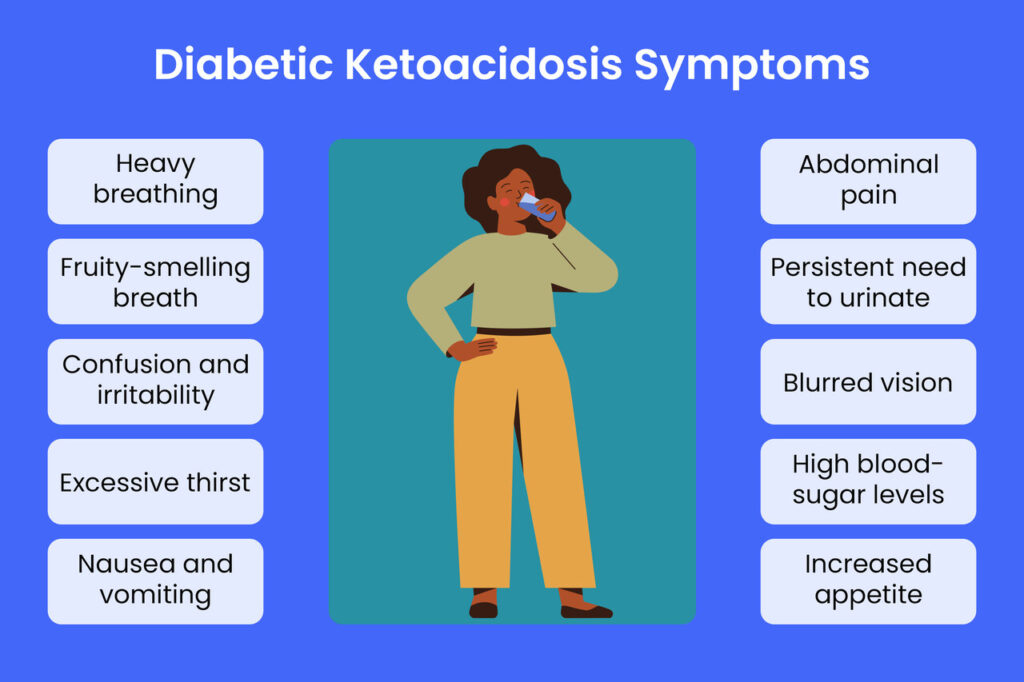
As ketone levels continue rising, symptoms usually worsen rapidly.
These symptoms may include:
- Excessive thirst
- Frequent urination
- Extreme fatigue
- Nausea
- Vomiting
- Abdominal pain
- Deep and rapid breathing
- Fruity smelling breath
- Confusion
- Difficulty staying awake
Many patients initially mistake these symptoms for food poisoning or the flu, delaying treatment until their condition becomes critical.
That is why every person living with diabetes should recognize these warning signs and seek emergency medical attention immediately.
What Is the Treatment of Diabetic Ketoacidosis?
One of the questions I hear most often from patients and families is, what is the treatment of diabetic ketoacidosis?
The answer is simple in principle but requires expert hospital care.
Treatment for diabetic ketoacidosis focuses on correcting three life threatening problems simultaneously.
First, doctors replace the fluids your body has lost.
Second, insulin is administered to stop ketone production and lower blood glucose safely.
Third, electrolyte imbalances, especially potassium levels, are corrected while identifying and treating the underlying cause that triggered DKA.
Many people also ask, what type of treatment does diabetic ketoacidosis require?
The answer is immediate emergency medical treatment in a hospital, often within an emergency department or intensive care unit depending on severity.
Home remedies or delaying treatment are never appropriate because DKA can progress rapidly.
The first priority is restoring hydration.
Most patients arrive severely dehydrated after losing large amounts of fluid through excessive urination and vomiting. Intravenous fluids help restore blood volume, improve circulation, and gradually reduce blood sugar concentrations.
Hydration alone often improves blood glucose levels before insulin therapy even begins.
Next comes careful monitoring.
Throughout diabetic ketoacidosis treatments, healthcare professionals continuously monitor:
- Blood glucose
- Blood ketone levels
- Blood pressure
- Heart rate
- Oxygen levels
- Kidney function
- Blood acidity
- Electrolytes
These measurements help doctors adjust treatment safely as the patient’s condition improves.
One of the greatest dangers during treatment is not simply lowering blood sugar too quickly. Instead, doctors must carefully balance fluids, insulin, and electrolytes to prevent complications.
This is why treatment for diabetic ketoacidosis should always occur under experienced medical supervision.
⸻
Why Timing Matters
Time plays a critical role in recovery.
The earlier diabetic ketoacidosis treatments begin, the lower the risk of complications such as:
- Cerebral edema
- Kidney injury
- Cardiac rhythm disturbances
- Shock
- Respiratory failure
Fortunately, advances in emergency medicine have dramatically improved outcomes when patients receive prompt treatment.
This is another reason why every person with diabetes should know their sick day management plan.
Managing Diabetes During Illness is crucial.
Identifying the Underlying Cause
Successful diabetic ketoacidosis treatment does not end once blood sugar returns to normal.
Doctors also investigate why DKA occurred in the first place.
For example, if pneumonia triggered the episode, antibiotics may be started immediately.
If missed insulin doses were responsible, healthcare providers work with patients to improve medication adherence and diabetes education.
If the episode revealed previously undiagnosed diabetes, a long term treatment plan is developed before discharge.
Finding and treating the root cause greatly reduces the chance of future episodes.
In my years of clinical practice, I have seen many patients who believed DKA happened randomly. In reality, there is almost always a trigger, and identifying it is one of the most important steps toward prevention.
One treatment component deserves special attention because it directly stops ketone production and begins reversing the metabolic crisis. That treatment is insulin, and understanding how it works helps patients appreciate why timely hospital care is so important.
Insulin Treatment for Diabetic Ketoacidosis
Among all aspects of diabetic ketoacidosis treatment, insulin therapy is the intervention that directly stops the condition from worsening. While intravenous fluids help restore hydration, insulin addresses the underlying metabolic problem by allowing glucose to enter the body’s cells again and halting the production of ketones.
This is why diabetic ketoacidosis insulin treatment is considered the cornerstone of hospital management.
Once healthcare providers have started fluid replacement and confirmed that potassium levels are safe, insulin is usually administered through an intravenous infusion. This method allows doctors to control blood glucose levels gradually rather than causing a sudden drop that could lead to dangerous complications.
Many patients wonder why insulin cannot simply be injected under the skin as they do at home. The reason is that during DKA, the body requires continuous and carefully adjusted insulin delivery. An intravenous infusion allows healthcare teams to monitor blood sugar levels closely and make rapid adjustments based on laboratory results.
The primary goals of insulin treatment for diabetic ketoacidosis include:
- Stopping ketone production
- Reducing blood glucose gradually
- Correcting blood acidity
- Restoring normal metabolism
- Preventing further complications
However, insulin alone is never enough. As insulin moves glucose back into cells, potassium also shifts from the bloodstream into the cells. Without careful monitoring and replacement, potassium levels may fall dangerously low, increasing the risk of serious heart rhythm abnormalities.
For this reason, doctors frequently check blood tests throughout diabetic ketoacidosis insulin treatment. They may temporarily delay insulin if potassium levels are critically low until replacement therapy has begun.
Patients often notice that blood glucose starts improving within several hours, but complete recovery takes longer because the body must also eliminate excess ketones and restore its normal acid-base balance.
Once DKA has resolved and the patient is stable, the healthcare team transitions from intravenous insulin back to the individual’s usual insulin regimen or develops a new long-term diabetes management plan if necessary.
One of the most valuable lessons after recovery is understanding how to prevent future episodes. Patients receive education about monitoring blood sugar, checking ketones during illness, staying hydrated, and never stopping insulin without medical advice.
Diabetic Ketoacidosis Treatment Guidelines
Modern diabetic ketoacidosis treatment guidelines are designed to help healthcare professionals provide safe, consistent, and evidence-based care. Although every patient is different, the overall approach follows a structured sequence that has been proven to improve outcomes.
The first step is a rapid assessment. Doctors evaluate the patient’s symptoms, vital signs, blood glucose levels, ketone levels, kidney function, electrolyte balance, and blood acidity. This information helps determine the severity of DKA and whether the patient requires intensive care monitoring.
Fluid replacement is usually the first treatment initiated because severe dehydration is almost always present. Restoring circulating blood volume improves blood pressure, supports kidney function, and begins lowering blood glucose naturally.
Next comes insulin therapy. As discussed earlier, diabetic ketoacidosis treatments rely on intravenous insulin to stop ketone formation and gradually normalize blood sugar levels. Throughout treatment, blood glucose is monitored frequently to ensure a controlled reduction rather than a rapid decline.
Electrolyte management is another essential part of diabetic ketoacidosis treatment. Potassium receives particular attention because both DKA and insulin therapy can significantly alter potassium levels. Correcting these imbalances reduces the risk of life-threatening cardiac complications.
Healthcare providers also search for and treat the underlying cause. If an infection triggered the episode, antibiotics may be prescribed. If missed insulin doses were responsible, diabetes education and medication counseling become an important part of discharge planning.
Continuous monitoring remains essential until the patient’s blood glucose, ketone levels, hydration status, and acid-base balance have all returned to safe ranges.
Although these diabetic ketoacidosis treatment guidelines are highly effective, preventing DKA is always better than treating it. Patients can reduce their risk by following their prescribed insulin regimen, monitoring blood sugar regularly, checking ketones during illness, staying well hydrated, and seeking medical advice whenever blood glucose remains persistently elevated.
Recovery After Diabetic Ketoacidosis
Recovering from DKA does not end when a patient leaves the hospital. It marks the beginning of a renewed commitment to diabetes management.
Many people feel physically exhausted for several days after discharge, but with proper hydration, balanced nutrition, medication adherence, and regular follow-up appointments, most individuals recover completely.
Healthcare providers often review insulin techniques, glucose monitoring, sick-day rules, and lifestyle habits before discharge. These conversations empower patients to recognize warning signs early and respond appropriately if they become ill again.
For individuals living with diabetes, routine foot care should also remain a priority. Good circulation and healthy feet are important aspects of long-term diabetes management. Wearing properly fitted diabetic socks can help reduce friction and improve daily comfort as part of a comprehensive foot care routine.
Conclusion
Diabetic ketoacidosis is one of the most serious emergencies associated with diabetes, but it is also one of the most treatable when recognized early. Understanding diabetic ketoacidosis treatment, recognizing the warning signs, and seeking immediate medical attention can prevent life-threatening complications.
From intravenous fluids and diabetic ketoacidosis insulin treatment to electrolyte replacement and careful monitoring, every step of hospital care is designed to restore the body’s normal balance safely. Equally important is identifying the cause of DKA and helping patients develop strategies to prevent future episodes.
Whether you have lived with diabetes for years or have recently been diagnosed, education remains your strongest defense. Learn your sick-day plan, monitor your blood sugar consistently, never ignore persistent symptoms, and work closely with your healthcare team to maintain good diabetes control.
Remember Sarah from the beginning of this article? Her recovery was not simply the result of excellent hospital care. It was also the beginning of a new chapter where understanding her condition gave her the confidence to manage it more effectively. That same knowledge has the power to protect countless others.
By staying informed and prepared, you can reduce the risk of diabetic emergencies and take meaningful steps toward a healthier future.
References
- American Diabetes Association. Standards of Care in Diabetes.
- National Institute of Diabetes and Digestive and Kidney Diseases (NIDDK). Diabetic Ketoacidosis.
- American Association of Clinical Endocrinology (AACE). Clinical Practice Guidelines for Diabetes Management.
- Kitabchi AE, Umpierrez GE, Miles JM, Fisher JN. Hyperglycemic Crises in Adult Patients With Diabetes. Diabetes Care.
- Centers for Disease Control and Prevention (CDC). Diabetes and Emergency Complications.
- National Health Service (NHS). Diabetic Ketoacidosis Overview.