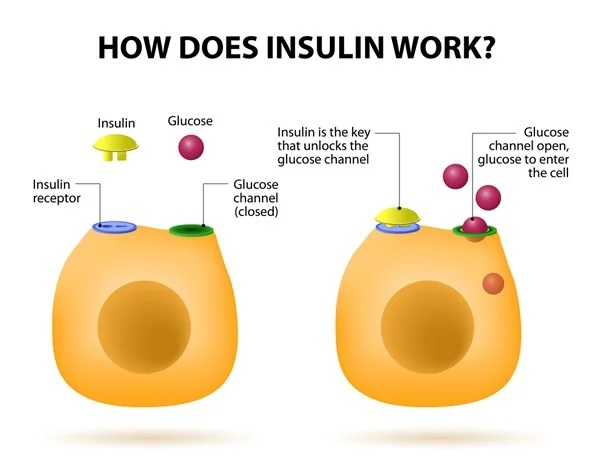
Diabetes is a chronic condition that affects how your body turns food into energy. When you have diabetes, your body either doesn’t make enough insulin or can’t use the insulin it makes as well as it should. Insulin is a hormone that helps glucose (sugar) enter your cells to be used for energy. When there isn’t enough insulin or cells stop responding to insulin, too much blood sugar stays in your bloodstream. Over time, this can cause serious health problems.
Types Of Diabetes
Types of Diabetes :
Type 1 Diabetes :
An autoimmune condition where the body attacks insulin-producing cells in the pancreas. It’s usually diagnosed in children, teens, and young adults. People with Type 1 need to take insulin every day to stay alive.
The most common form of diabetes, Type 2 occurs when your body becomes resistant to insulin or when the pancreas is unable to produce enough insulin. It can develop at any age but is more common in people over 45.
Symptoms : Similar to Type 1, but often less severe, making it harder to detect early.
Gestational Diabetes :
This type occurs during pregnancy and usually goes away after giving birth. However, it increases the risk of developing Type 2 diabetes later in life for both the mother and child.
Symptoms : Often no noticeable symptoms, but it’s detected during routine pregnancy screening.
Living with Diabetes
Managing diabetes requires a balance of medication, diet, exercise, and regular monitoring. Here are some tips and resources to help you live a full and healthy life with diabetes.
Healthy Eating:
A balanced diet is crucial for managing diabetes. Focus on whole grains, fruits, vegetables, lean proteins, and healthy fats. Limit processed foods, sugary drinks, and excessive carbohydrates.
Meal Planning Tips: Portion control, counting carbohydrates, and planning meals to maintain stable blood sugar levels.
Physical Activity:
Regular exercise helps your body use insulin more effectively, lowers blood sugar, and improves heart health. Aim for at least 30 minutes of moderate-intensity exercise most days of the week.
Exercise Ideas: Walking, cycling, swimming, and strength training.
Medication Management:
Depending on the type of diabetes, you may need to take insulin or other medications to help control your blood sugar levels. It’s important to follow your doctor’s instructions and never skip doses.
Monitoring: Regularly check your blood sugar levels and keep a record to discuss with your healthcare provider.
Mental Health:
Living with diabetes can be challenging, both physically and emotionally. It’s important to take care of your mental health by seeking support from friends, family, or a counselor.
Stress Management: Techniques like deep breathing, meditation, and yoga can help reduce stress and improve overall well-being.
Prevention
While Type 1 diabetes cannot be prevented, Type 2 diabetes can often be prevented or delayed with healthy lifestyle changes.
Maintain a Healthy Weight:
Excess weight is a major risk factor for Type 2 diabetes. Losing even a small amount of weight can reduce your risk.
Be Active:
Regular physical activity can help you lose weight, lower blood sugar, and boost your insulin sensitivity.
Eat a Balanced Diet:
Focus on foods that are low in fat, calories, and sugar. Incorporate more whole grains, fruits, and vegetables into your meals.
Avoid Smoking and Limit Alcohol:
Smoking and excessive alcohol consumption can increase your risk of developing Type 2 diabetes and other serious health conditions.
Regular Check-ups:
If you’re at high risk for diabetes, have your blood sugar levels checked regularly. Early detection can help manage or prevent complications.