Complete Guide to Blood Sugar Control and Blood Glucose Management
By Dr. William Johnson
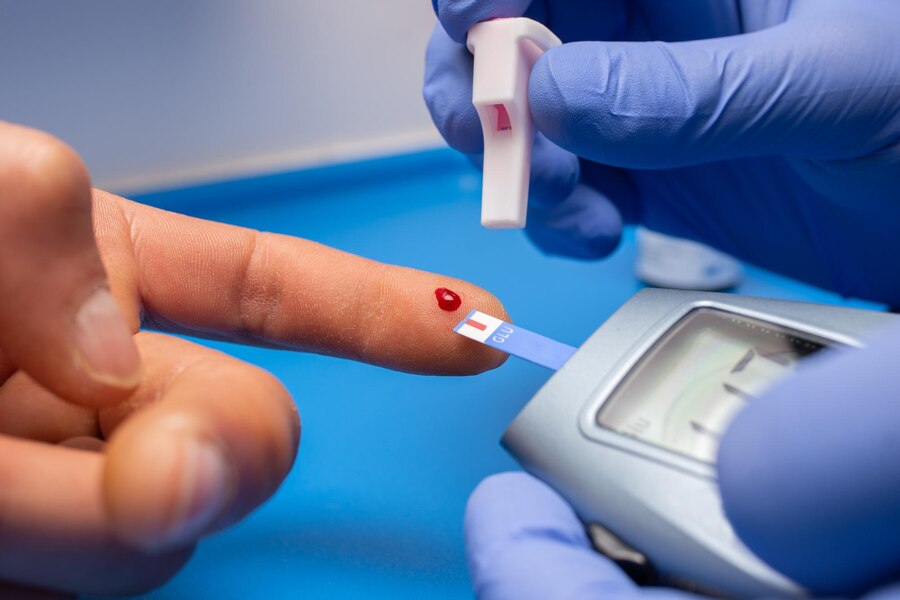
Maintaining proper blood sugar control is one of the most important aspects of living a healthy life, especially for individuals managing diabetes or prediabetes. Over the years in clinical practice, I have seen that effective blood glucose management is not about a single solution, but rather a combination of informed lifestyle choices, dietary habits, and consistent monitoring.
In this comprehensive guide, I will walk you through everything you need to know about controlling blood sugar, including natural remedies, diet strategies, supplements, and practical daily routines that truly work in real life.
What Is Blood Sugar Control and Why It Matters
Blood sugar control refers to maintaining your glucose levels within a healthy range. Your body depends on glucose for energy, but too much or too little can lead to serious complications.
Poor blood sugar level control can result in:
• Fatigue and weakness
• Blurred vision
• Nerve damage
• Cardiovascular complications
• Kidney issues
From a medical perspective, consistent control of blood sugar levels reduces long-term complications and improves quality of life significantly.
How to Control Blood Sugar Levels Effectively
Patients often ask me, “how to control blood sugar levels in a sustainable way?” The answer lies in consistency and balance.
Here are the foundational pillars of blood sugar management:
- Balanced Nutrition
Choosing the right foods to control blood sugar is crucial. Your plate should include fiber, lean protein, and healthy fats.
- Regular Physical Activity
Exercise improves insulin sensitivity, making blood glucose control more efficient.
- Monitoring Glucose Levels
Tracking helps you understand how your body responds to food, stress, and activity.
- Stress Management
Stress hormones can elevate glucose levels, making blood glucose management more challenging.
- Adequate Sleep
Poor sleep disrupts hormonal balance and worsens controlling blood sugar.
Foods to Control Blood Sugar Naturally
Diet is the cornerstone of effective blood sugar management.
High-Fiber Foods
Fiber slows glucose absorption, improving blood sugar control.
• Oats
• Lentils
• Beans
• Whole grains
Low Glycemic Index Foods
These help maintain stable blood sugar level control.
• Sweet potatoes
• Brown rice
• Quinoa
Healthy Fats
Fats reduce glucose spikes and support overall blood glucose control.
• Avocados
• Nuts
• Olive oil
Protein-Rich Foods
Protein helps in stabilizing glucose levels.
• Eggs
• Chicken
• Fish
Choosing the right food to control blood sugar can make a dramatic difference in daily glucose fluctuations.
9 Natural Remedies for Diabetes and Blood Sugar Control
Many patients prefer natural approaches alongside medical treatment.
1. Cinnamon improves insulin sensitivity
2. Fenugreek seeds help reduce fasting glucose
3. Aloe vera supports glucose metabolism
4. Bitter melon mimics insulin effects
5. Turmeric reduces inflammation
6. Ginger enhances insulin function
7. Green tea supports metabolic health
8. Flaxseeds provide fiber and omega 3
9. Apple cider vinegar for blood sugar control helps reduce post-meal spikes
These remedies support blood sugar management but should not replace prescribed treatment.
Apple Cider Vinegar for Blood Sugar Control
Apple cider vinegar is one of the most researched natural tools.
It may:
• Reduce post-meal glucose spikes
• Improve insulin sensitivity
• Support better blood glucose control
Moderation is essential to avoid digestive issues.
Best Time to Exercise for Blood Sugar Control
• After meals helps reduce glucose spikes
• Morning workouts regulate fasting glucose
• Evening walks stabilize daily fluctuations
Regular activity plays a powerful role in controlling blood sugar effectively.
How to Control Fasting Blood Sugar
• Avoid late-night heavy meals
• Include protein in dinner
• Stay hydrated
• Maintain consistent sleep
Evening habits strongly influence fasting glucose levels.
Supplements to Control Blood Sugar
Common supportive supplements include:
• Magnesium
• Chromium
• Alpha-lipoic acid
• Berberine
Always consult a healthcare professional before starting any supplement.
How to Manage Blood Glucose Levels Daily
Morning Routine
• Check fasting glucose
• Eat a balanced breakfast
Midday Strategy
• Choose low glycemic meals
• Stay active
Evening Routine
• Light dinner
• Short walk
Consistency is the foundation of long-term blood sugar control.
How Do I Control My Blood Sugar While on Steroids
• Monitor glucose more frequently
• Reduce carbohydrate intake
• Stay active
• Consult your doctor
Steroids require stricter blood glucose management.
Blood Sugar Control Supplements: Are They Worth It
Some supplements are helpful, but not all are evidence-based.
Focus on:
• Clinically supported options
• Avoiding unverified products
• Prioritizing lifestyle changes
Common Mistakes in Controlling Blood Sugar
• Skipping meals
• Overeating healthy foods
• Ignoring stress
• Lack of sleep
• Inconsistent monitoring
Avoiding these improves blood sugar level control.
How Blood Sugar Control Impacts Long-Term Health
Effective blood sugar control protects against:
• Heart disease
• Neuropathy
• Vision loss
• Kidney damage
Patients who manage glucose early experience fewer complications.
The Role of Lifestyle in Blood Glucose Management
Lifestyle is the most powerful tool.
• Regular movement
• Healthy eating
• Stress reduction
• Consistent routines
Consistency makes blood sugar control easier over time.
A Practical Approach to Blood Sugar Management
• Eat the right foods
• Exercise regularly
• Use natural remedies wisely
• Monitor consistently
• Avoid extremes
This creates sustainable blood glucose control.
Final Thoughts from Dr. William Johnson
Managing diabetes or prediabetes is not about perfection. It is about awareness, consistency, and making better choices each day.
True blood sugar control comes from understanding your body and supporting it through balanced habits.
Supporting Your Journey with the Right Choices
While diet and lifestyle form the foundation of blood sugar management, small supportive choices in daily living can make a meaningful difference.
One often overlooked aspect in diabetic care is foot health and circulation. Tight or restrictive socks can impair blood flow and cause discomfort, especially for individuals dealing with long-term glucose control issues.
At Stealth Sox, we focus on creating diabetic-friendly socks designed with non-binding tops, soft breathable fabric, and features like aloe vera and citronella infusion for added antibacterial and antifungal support. These socks are built to promote comfort, reduce irritation, and support healthy circulation throughout the day.
If you are working toward better blood glucose management, choosing the right essentials matters. Explore more at:
👉 https://stealthsox.co.uk/
References
1. American Diabetes Association. Standards of Medical Care in Diabetes 2024. Diabetes Care
2. International Diabetes Federation IDF Diabetes Atlas 10th Edition
3. World Health Organization Global Report on Diabetes
4. Centers for Disease Control and Prevention Diabetes Management Guidelines
5. Evert AB et al. Nutrition Therapy for Adults With Diabetes. Diabetes Care
6. Colberg SR et al. Exercise and Type 2 Diabetes. American College of Sports Medicine
7. Johnston CS et al. Vinegar Improves Insulin Sensitivity. Diabetes Care
8. Khan A et al. Cinnamon Improves Glucose and Lipids. Diabetes Care
9. Yin J et al. Berberine in Type 2 Diabetes. Metabolism Journal
10. Gupta AK et al. Fenugreek in Glycemic Control. Journal of Diabetes Research
11. Hlebowicz J et al. Green Tea and Glucose Control. Nutrition Journal
12. Anderson RA. Chromium and Glucose Metabolism. Diabetes Spectrum
13. National Institute of Diabetes and Digestive and Kidney Diseases Diabetes Overview