


Type 2 Diabetes Treatment: Medications, Management and Care Options
By Dr William Johnson
Treatment of type 2 diabetes
A diagnosis of type 2 diabetes can feel overwhelming at first. Many people immediately wonder whether they will need insulin, whether they must give up favorite foods, or whether complications are inevitable. The reassuring reality is that modern treatment of type 2 diabetes is highly individualized. With the right combination of daily habits, monitoring, medication, and regular medical care, many people can improve blood glucose control while protecting their heart, kidneys, eyes, nerves, and overall quality of life.
The treatments of type 2 diabetes are no longer focused only on lowering a number on a glucose meter. Good care looks at the whole person. Blood pressure, cholesterol, body weight, kidney function, cardiovascular health, nutrition, sleep, physical activity, and emotional wellbeing all influence long term outcomes. This broader approach is central to the treatment of type 2 diabetes mellitus and helps doctors choose strategies that fit each patient rather than forcing every patient into the same plan.
The management of type 2 diabetes usually begins with understanding what is happening inside the body. In type 2 diabetes, cells become less responsive to insulin, and over time the pancreas may struggle to produce enough insulin to keep glucose within a healthy range. This explains why treatment often changes over the years. Needing another medicine later does not mean someone has failed. It may simply reflect the progressive biology of diabetes.
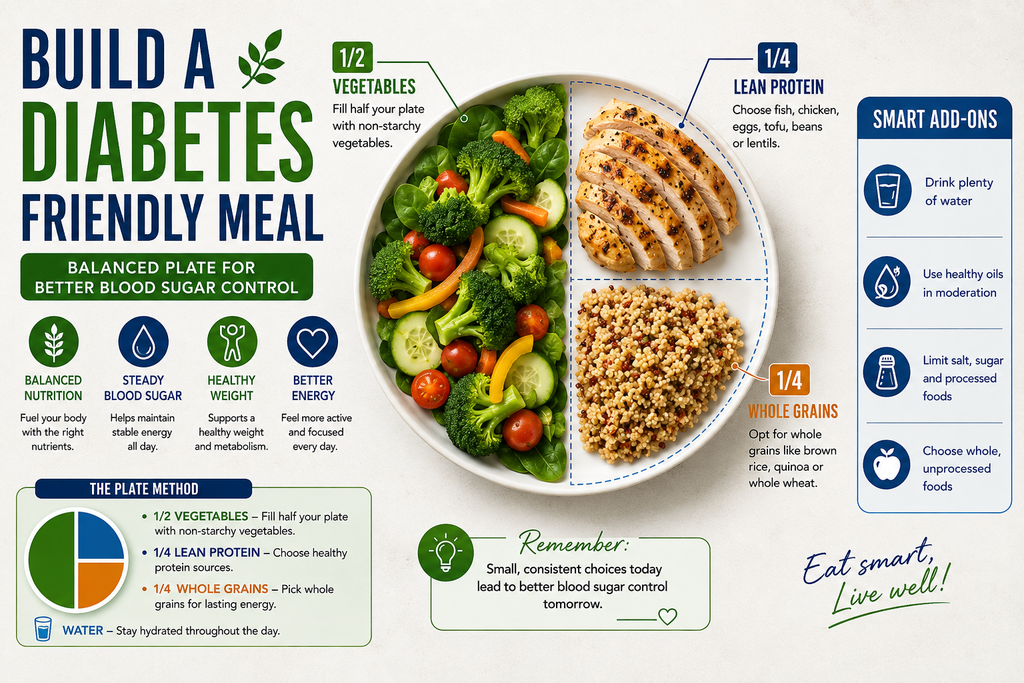
Nutrition remains a foundation of management of type 2 diabetes mellitus. A practical eating pattern emphasizes vegetables, whole grains, legumes, lean proteins, healthy fats, and appropriate portions while limiting heavily processed foods and sugar sweetened drinks. There is no single perfect diabetes diet. A plan should consider culture, budget, preferences, weight goals, medications, and glucose response.
Physical activity is equally important. Regular walking, cycling, swimming, resistance exercise, or another enjoyable activity can improve insulin sensitivity and support cardiovascular fitness. Even breaking up long periods of sitting can be useful. Sleep, stress management, smoking cessation, and regular follow up also deserve attention because diabetes care happens every day, not only during clinic appointments.
Blood glucose monitoring helps connect daily choices with measurable results. Some people use a glucose meter, while others benefit from continuous glucose monitoring. A1C testing provides a longer term picture of average glucose. Targets should be individualized according to age, health conditions, hypoglycemia risk, and personal circumstances.
Learn more about blood sugar control and blood glucose management in our complete guide.
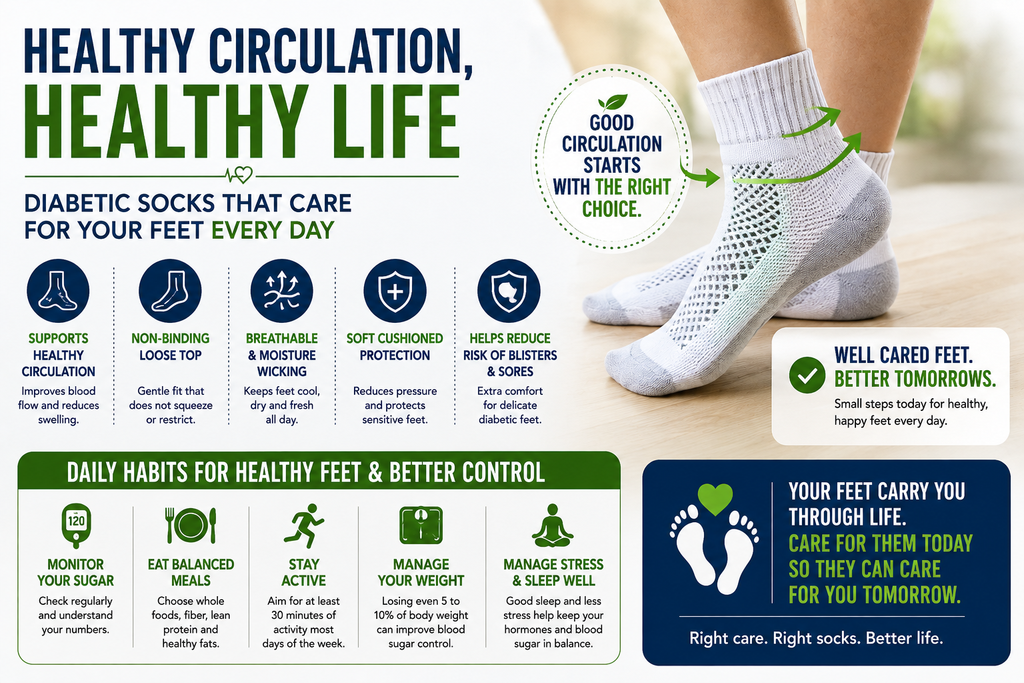
Foot care is another everyday priority, particularly for people with neuropathy or circulation problems. Checking the feet for cuts, blisters, redness, or pressure areas can help identify problems early. Comfortable, nonbinding footwear and socks may also support routine foot protection. Readers exploring diabetic friendly sock options can visit the StealthSox diabetic socks page for designs created with comfort and everyday foot care in mind.
Type 2 diabetes medications
When lifestyle measures are not enough to reach individualized goals, type 2 diabetes medications become an important part of care. Medication choice should be based on more than glucose lowering alone. Current guidance encourages clinicians to consider heart disease, heart failure, kidney disease, body weight, hypoglycemia risk, side effects, affordability, access, and patient preferences.
A list of type 2 diabetes medications includes several major drug classes. Metformin reduces glucose production by the liver and improves insulin sensitivity. SGLT2 inhibitors help the kidneys remove excess glucose through urine and can provide important heart and kidney benefits for appropriate patients. GLP 1 receptor agonists improve glucose dependent insulin release, reduce appetite, slow gastric emptying, and can support meaningful weight loss. Dual GIP and GLP 1 receptor agonist therapy can provide substantial glucose and weight effects in suitable individuals.
Other options include DPP 4 inhibitors, sulfonylureas, thiazolidinediones, meglitinides, and insulin. Each class works differently, which is why combination treatment is sometimes appropriate. Some people may need two medicines early in treatment, especially when glucose is significantly above their individualized target. Others may start with one medicine and add therapy later.
Insulin remains an effective treatment when the body cannot maintain adequate glucose control with other approaches. It may also be considered when a person has symptoms of marked hyperglycemia or very high glucose levels. Starting insulin should never be viewed as punishment. For the right patient, it can relieve symptoms, reduce glucose toxicity, and restore safer control.
Understanding the side effects of type 2 diabetes medication is essential. Metformin commonly causes gastrointestinal symptoms such as nausea, abdominal discomfort, or diarrhea, particularly when treatment begins or the dose increases. Long term use can also be associated with vitamin B12 deficiency, so periodic assessment may be appropriate.
SGLT2 inhibitors may increase the risk of genital fungal infections and volume depletion, and rarely can be associated with diabetic ketoacidosis. GLP 1 based medicines commonly cause gastrointestinal effects such as nausea, vomiting, constipation, or diarrhea, particularly during dose escalation. Sulfonylureas and insulin can cause hypoglycemia, while some treatments may promote weight gain. The exact risk varies by medicine and patient.
Never stop, double, or switch diabetes medication without discussing it with the prescribing clinician. Side effects can often be managed by changing dose, timing, formulation, or medication class. Kidney function, other medicines, pregnancy plans, and existing medical conditions may also affect what is safe.
First line treatment of type 2 diabetes
For many years, metformin was routinely described as the first line treatment of type 2 diabetes, and it remains a commonly used initial medicine because it is effective, widely available, inexpensive, and has a low risk of hypoglycemia when used alone. However, modern diabetes care is more personalized, so the first medicine is not automatically the same for everyone.
The first line of treatment for type 2 diabetes should begin with healthy lifestyle behaviors, diabetes education, and an individualized medication plan. According to current American Diabetes Association guidance, pharmacologic therapy should generally begin at diagnosis unless contraindicated. Medication selection should consider the degree of glucose lowering needed as well as cardiovascular, kidney, weight, and other health goals.
For a person whose main need is glucose lowering and who has no major condition directing drug choice, metformin remains a common starting option. In contrast, someone with established cardiovascular disease, heart failure, or chronic kidney disease may benefit from an SGLT2 inhibitor or GLP 1 receptor agonist with demonstrated organ protection, regardless of whether A1C is already at goal. This is an important shift from older glucose centered treatment.
Combination therapy can also be considered from the beginning when it is likely to help a person reach individualized glycemic goals sooner. Treatment should then be reviewed regularly. If targets are not being met, intensification should not be unnecessarily delayed. At the same time, therapy may need to be simplified when side effects, hypoglycemia, cost, or treatment burden outweigh benefits.
The best diabetes plan is one a person can safely follow in real life. I encourage patients to think of treatment as a partnership rather than a prescription handed across a desk. Ask what each medicine does, what side effects to watch for, how it affects weight or hypoglycemia risk, and whether it protects the heart or kidneys. Bring glucose records to appointments and discuss barriers openly.
Type 2 diabetes requires ongoing attention, but good management is built through realistic decisions repeated consistently. Food choices, movement, medication, monitoring, preventive care, and regular conversations with the healthcare team work together. Treatment may evolve, yet the goal remains steady: safer glucose levels, fewer complications, and a healthier life that still feels like your own.
Regular preventive care is as important as choosing medication. Diabetes can affect organs before symptoms appear, so scheduled checks can identify changes earlier. Routine care may include kidney testing, dilated eye examinations, foot assessments, blood pressure measurement, cholesterol testing, dental care. People should know the warning signs of hypoglycemia and hyperglycemia and understand what to do during illness.
Weight management can be a meaningful treatment goal for many adults with type 2 diabetes, but it should be approached without shame. Sustainable changes can improve metabolic health. For some people, structured weight management, medications that support weight loss, or metabolic surgery may be considered after individualized assessment.
Most importantly, do not compare your treatment plan with someone else’s. Two people with the same diagnosis may appropriately receive different medicines because their kidney function, cardiovascular risk, weight goals, glucose levels, costs, and preferences differ. Good diabetes care is not about collecting treatments. It is about choosing the safest effective combination, reviewing results, and adapting the plan as your health and circumstances change regularly.
References
American Diabetes Association. Standards of Care in Diabetes 2026. Diabetes Care. 2026.
National Institute of Diabetes and Digestive and Kidney Diseases. Insulin, Medicines, and Other Diabetes Treatments.
National Institute of Diabetes and Digestive and Kidney Diseases. Type 2 Diabetes.