


By Dr. William Johnson
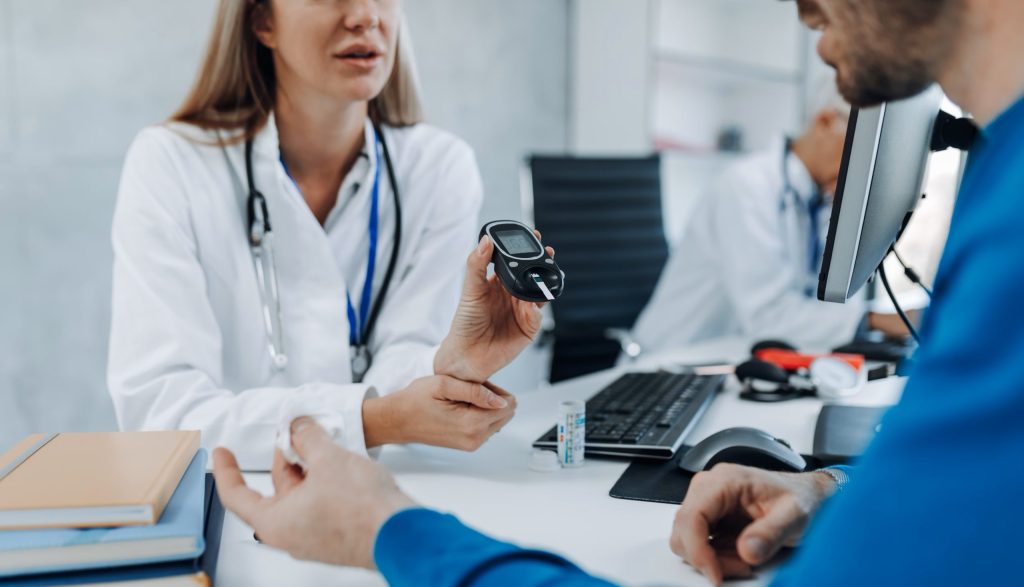
Introduction to Blood Sugar Levels
Blood sugar levels play a central role in maintaining overall health, particularly for individuals managing diabetes, prediabetes, or metabolic conditions. In my years of clinical practice, I have observed that understanding and controlling blood glucose is not just about numbers but about awareness, consistency, and lifestyle balance.
Blood sugar, or glucose, is the primary source of energy for the body. However, when blood sugar levels become too high or too low, it can lead to serious health complications. This is where proper blood sugar monitoring and glucose monitoring become essential tools for both prevention and management.
What Are Normal Blood Sugar Levels?
Understanding normal blood sugar levels is the foundation of good metabolic health. These values can vary depending on age, health condition, and timing of measurement.
Normal Blood Sugar Levels Chart by Age
For most adults:
- Fasting blood sugar: 70 to 99 mg/dL
- After eating: less than 140 mg/dL
For older adults or individuals with diabetes, slightly higher targets may be acceptable based on medical advice.
Neonatal and Infant Blood Sugar Levels
Special attention is required for newborns:
- Neonatal normal blood sugar levels: typically above 45 mg/dL
- Infant blood sugar levels normal range: 70 to 100 mg/dL
Newborn with low blood sugar levels requires immediate medical evaluation, as hypoglycemia can affect brain development.
Blood Sugar Levels After Eating Chart
Post-meal glucose levels are crucial in identifying how your body responds to food.
- Normal individuals: less than 140 mg/dL after 2 hours
- Prediabetes: 140 to 199 mg/dL
- Diabetes: 200 mg/dL or higher
Monitoring blood sugar levels after eating helps identify dietary triggers and improve meal planning.
Understanding Blood Sugar Monitoring
Blood sugar monitoring refers to the regular checking of glucose levels using various devices. It allows patients and clinicians to track patterns, adjust treatment, and prevent complications.
Why Blood Sugar Monitoring Is Important
- Detects hyperglycemia and hypoglycemia early
- Helps adjust medications and insulin
- Guides dietary and lifestyle decisions
- Reduces risk of long-term complications
Types of Glucose Monitoring Systems
Traditional Blood Glucose Monitoring Kit
A blood glucose monitoring kit typically includes:
- Glucometer
- Test strips
- Lancet device
These are widely used due to affordability and accessibility.
Continuous Glucose Monitoring (CGM)
Modern technology has revolutionized glucose monitoring.
Devices such as the Dexcom G7 continuous glucose monitoring system provide real-time glucose readings throughout the day without repeated finger pricks.
Benefits include:
- Continuous tracking
- Alerts for high and low glucose
- Better long-term control
However, continuous glucose monitoring cost can be higher, which may limit accessibility for some patients.
Advanced Devices in Glucose Monitoring
Glucose Monitoring Watch
Wearable technology like a glucose monitoring watch is emerging as a convenient, non-invasive option. Though still evolving, these devices aim to simplify glucose tracking.
Contour Next One Blood Glucose Monitoring System
Among traditional glucometers, systems like the Contour Next One blood glucose monitoring system are known for their accuracy and ease of use.
Blood Sugar Levels Graph and Trends
A normal blood sugar levels graph helps visualize fluctuations throughout the day.
Typical pattern:
- Morning fasting levels
- Rise after meals
- Gradual decline with activity
Tracking trends is more important than focusing on a single reading. Consistent patterns provide valuable insights into metabolic health.
Factors That Affect Blood Sugar Levels
Several everyday factors influence glucose levels:
Diet and Sweeteners
- Does aspartame affect blood sugar levels? Generally, no significant impact, but individual responses vary.
- Does stevia raise blood sugar levels? Typically considered safe with minimal effect.
Caffeine and Lifestyle
- Does caffeine raise blood sugar levels? It can slightly increase glucose in some individuals due to hormonal responses.
Medications
- Can steroids raise blood sugar levels? Yes, steroids are known to significantly increase glucose levels and require careful monitoring.
How Can You Lower Fasting Blood Sugar Levels?
Managing fasting glucose is critical for long-term health.
Practical Strategies
- Maintain a consistent sleep schedule
- Reduce late-night carbohydrate intake
- Engage in regular physical activity
- Manage stress levels
- Follow prescribed medications
These lifestyle adjustments can significantly improve fasting glucose over time.
Blood Sugar Levels Supplements
Many patients ask about supplements for glucose control.
Common options include:
- Chromium
- Magnesium
- Alpha-lipoic acid
While some blood sugar levels supplements may help, they should never replace prescribed treatment. Always consult a healthcare provider before use.
Glucose Monitoring in Special Populations
Newborns and Infants
Newborn with low blood sugar levels requires urgent care. Early feeding and monitoring are essential to prevent complications.
Elderly Patients
Older adults may require individualized targets to avoid hypoglycemia, which can lead to falls and cognitive issues.
Continuous Glucose Monitoring Cost and Accessibility
While CGM devices provide excellent data, continuous glucose monitoring cost can be a barrier.
However, prices are gradually decreasing, and many healthcare systems are expanding access due to the proven benefits.
The Role of Lifestyle in Blood Sugar Control
Blood sugar management is not just about devices.
Key Lifestyle Factors
- Balanced diet
- Regular exercise
- Weight management
- Stress reduction
Combining these with effective glucose monitoring leads to optimal results.
Foot Health and Diabetes: An Often Overlooked Aspect
In my clinical experience, one of the most overlooked areas in diabetes care is foot health. Poor circulation and nerve damage can lead to serious complications.
This is where supportive products can make a meaningful difference.
Brands like Stealth Sox offer specially designed socks aimed at improving comfort and circulation for individuals managing diabetes. Their products are crafted to reduce pressure points and enhance daily comfort, which is crucial for preventing foot-related complications.
You can explore their collection here:
https://stealthsox.co.uk/
Creating a Sustainable Blood Sugar Monitoring Routine
Consistency is key.
Daily Routine Example
- Morning fasting glucose check
- Pre and post-meal monitoring
- Physical activity tracking
- Evening review of trends
Using tools like a blood glucose monitoring kit or CGM system ensures accurate tracking.
Common Mistakes in Blood Sugar Monitoring
- Inconsistent testing
- Ignoring trends
- Incorrect use of devices
- Skipping follow-ups
Avoiding these mistakes improves overall glucose control.
Future of Glucose Monitoring
The future is promising, with innovations such as:
- Non-invasive glucose monitoring watch devices
- AI-driven glucose predictions
- More affordable CGM systems
These advancements will make glucose monitoring more accessible and effective.
Conclusion
Blood sugar monitoring and glucose monitoring are essential components of modern healthcare, especially for individuals with diabetes or at risk of metabolic disorders.
Understanding blood sugar levels, using the right tools, and maintaining a healthy lifestyle can significantly improve quality of life and prevent complications.
As I often tell my patients, managing blood sugar is not about perfection but about consistency and awareness. With the right approach, it is entirely possible to live a healthy and balanced life.
References
- American Diabetes Association. Standards of Medical Care in Diabetes
- World Health Organization. Global Report on Diabetes
- Centers for Disease Control and Prevention. Diabetes Management Guidelines
- International Diabetes Federation. Clinical Practice Recommendations
- Mayo Clinic. Blood Sugar Monitoring and Control
- National Institute of Diabetes and Digestive and Kidney Diseases