


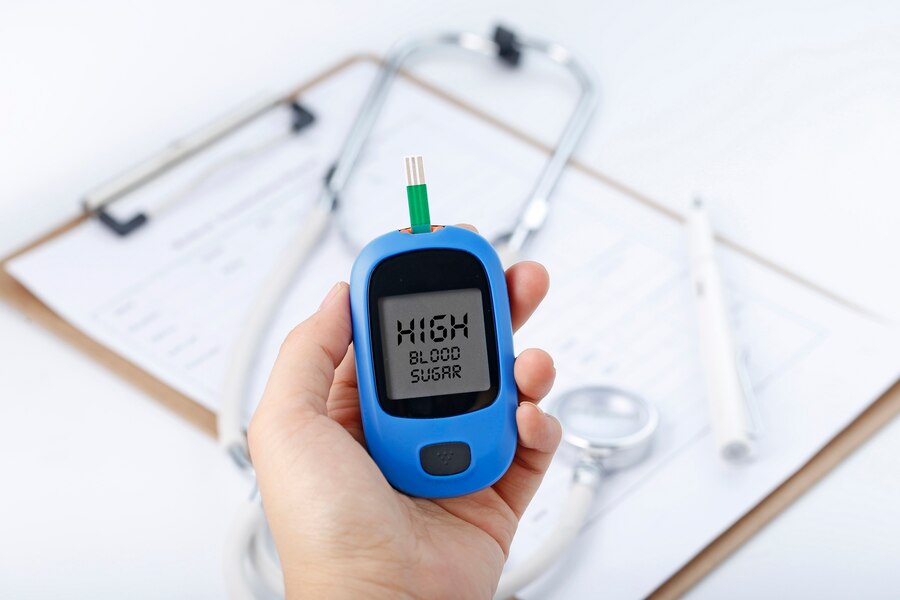
Introduction to Blood Glucose Tracking
Managing diabetes is not just about medication. It is about understanding how your body responds to food, activity, stress, and daily habits. One of the most powerful tools in this journey is a blood glucose tracker. Whether you are newly diagnosed or have been living with diabetes for years, learning how to track blood sugar effectively can completely transform your health outcomes.
A blood sugar tracker helps you monitor patterns, prevent complications, and make informed decisions. Many patients underestimate the value of consistent tracking, but it often becomes the difference between controlled diabetes and unpredictable sugar levels. If you are just starting your journey, you may also find our guide on understanding diabetes basics helpful
What Is a Blood Glucose Tracker
A blood glucose tracker is any method or tool used to record and monitor your blood sugar levels over time. This can be as simple as writing readings in a notebook or as advanced as using a digital blood glucose tracker app.
The goal of tracking blood sugar is to identify patterns. Once you consistently log your readings, you begin to understand how certain foods, activities, and routines affect your glucose levels.
Different types of tracking methods include blood sugar tracking charts, glucose tracking sheets, and blood sugar tracker spreadsheets. Each serves the same purpose but varies in convenience and detail.
Why Tracking Blood Sugar Is Important
Tracking blood sugar levels is essential for effective diabetes management. Without tracking, it becomes difficult to understand what is working and what is not.
Consistent tracking helps you detect patterns early, prevent complications, and improve your treatment plan. It also allows better communication with your healthcare provider since you can present clear data instead of relying on memory.
If you struggle with fluctuating sugar levels, you should also explore how diet impacts blood glucose
How to Track Blood Sugar Levels Correctly
Understanding how to track blood sugar properly is crucial. Many people measure their sugar levels but fail to maintain a structured record.
You should measure your glucose at recommended times, record it immediately, and include details such as meals, physical activity, and stress levels. Over time, this creates a complete picture of your health.
Learning how to track blood sugar levels consistently can help you avoid sudden spikes and drops.
Best Times for Tracking Blood Sugar
Timing plays an important role in glucose tracking. The most useful times include before meals, after meals, before bedtime, and after exercise.
Tracking during symptoms such as dizziness or fatigue can also help identify hidden patterns. A structured blood sugar tracking chart makes it easier to stay consistent and organized.
Blood Sugar Tracking Chart and Sheet
A blood sugar tracking chart is one of the simplest tools available. It helps you organize your readings in a way that makes patterns easy to identify.
A typical blood sugar tracking sheet includes the date, time, glucose reading, meal details, and activity notes. Many patients prefer using a glucose tracking sheet because it is simple and does not require technology.
If you are someone who prefers a structured routine, this method works extremely well alongside lifestyle adjustments discussed in our daily diabetes routine guide https://stealthsox.co.uk/wp-admin
Digital Blood Glucose Tracker Apps
Technology has made tracking more convenient than ever. A blood glucose tracker app allows you to log readings instantly and view trends through graphs and reports.
Most apps offer reminders, automatic data storage, and integration with glucose monitoring devices. This makes tracking blood sugar easier for people with busy lifestyles.
If you often forget to log your readings, switching to a blood sugar tracking app can significantly improve your consistency.
Blood Sugar Tracker Spreadsheet for Advanced Users
For those who want deeper insights, a blood sugar tracker spreadsheet is a powerful option. It allows you to customize columns and track detailed information over time.
You can include daily readings, weekly averages, insulin doses, and meal categories. A well maintained blood glucose tracking chart in spreadsheet form helps you analyze long term trends more effectively.
Common Mistakes in Tracking Blood Sugar
Even when people track regularly, certain mistakes can limit the usefulness of their data. Skipping entries, inconsistent timing, and not recording meal details are common issues.
Tracking blood sugar without reviewing patterns is another mistake. The purpose of a blood glucose tracker is not just to collect data but to learn from it.
How to Use Tracking Data Effectively
Collecting data is only the first step. The real value lies in understanding it.
Look for patterns such as high readings after specific meals or low sugar during certain times of the day. These insights help you adjust your diet, activity, and medication.
Regularly reviewing your blood glucose tracking chart with your doctor can lead to better treatment decisions.
Role of Lifestyle in Blood Sugar Tracking
Tracking works best when combined with a healthy lifestyle. Factors such as diet, exercise, sleep, and stress all influence your glucose levels.
When you monitor these alongside your readings, you gain a deeper understanding of your body. You may also benefit from reading our article on managing diabetes through lifestyle changes
How Diet Affects Blood Sugar Tracking
Food has a direct impact on your glucose levels. Carbohydrates, in particular, can cause significant changes in blood sugar.
By tracking blood sugar after meals, you can identify which foods cause spikes and which keep your levels stable. A blood sugar level tracker combined with meal logging gives you better control over your diet.
Importance of Foot Care in Diabetes
While blood sugar control is essential, foot care should never be ignored. Diabetes can affect circulation and nerve health, increasing the risk of foot problems.
Using comfortable and protective socks can make a difference in daily care. Products like StealthSox are designed to reduce friction and support better circulation, making them a helpful addition for people managing diabetes. You can explore them here https://stealthsox.co.uk/
Tracking Blood Sugar for Different Types of Diabetes
Different types of diabetes require different tracking approaches. People with Type 1 diabetes usually need more frequent monitoring, while those with Type 2 diabetes may follow a structured but less frequent routine.
Tracking is also essential during pregnancy for those with gestational diabetes. Your doctor will guide you based on your condition.
How Often Should You Track Blood Sugar
The frequency of tracking depends on your treatment plan. Some individuals need to check multiple times a day, while others may only need once or twice daily.
The key is consistency. A regular routine ensures that your blood sugar tracking provides meaningful insights.
Benefits of Long Term Glucose Tracking
Long term tracking offers significant benefits. It helps improve overall glucose control, reduces the risk of complications, and gives you confidence in managing your condition.
A well maintained blood glucose tracker becomes your personal health record over time.
Choosing the Right Blood Sugar Tracker
The best tracker is the one you will actually use. If you prefer simplicity, a blood sugar tracking sheet works well. If you want convenience, a blood glucose tracker app is a better option.
For detailed analysis, a blood sugar tracker spreadsheet is ideal. Choose a method that fits your lifestyle and stick with it.
Final Thoughts by Dr William Johnson
Diabetes management is a lifelong journey, but it does not have to be complicated. A blood glucose tracker is one of the most effective tools you can use to stay in control.
Start small, stay consistent, and learn from your data. Tracking blood sugar is not about perfection. It is about awareness and steady improvement.
References
American Diabetes Association. Standards of Medical Care in Diabetes
Centers for Disease Control and Prevention. Diabetes Management Guidelines
World Health Organization. Diabetes Care Recommendations
Mayo Clinic. Blood Sugar Monitoring Guide
National Institute of Diabetes and Digestive and Kidney Diseases